



About The Sixth Sin Demo
WHAT'S IN THIS DEMO
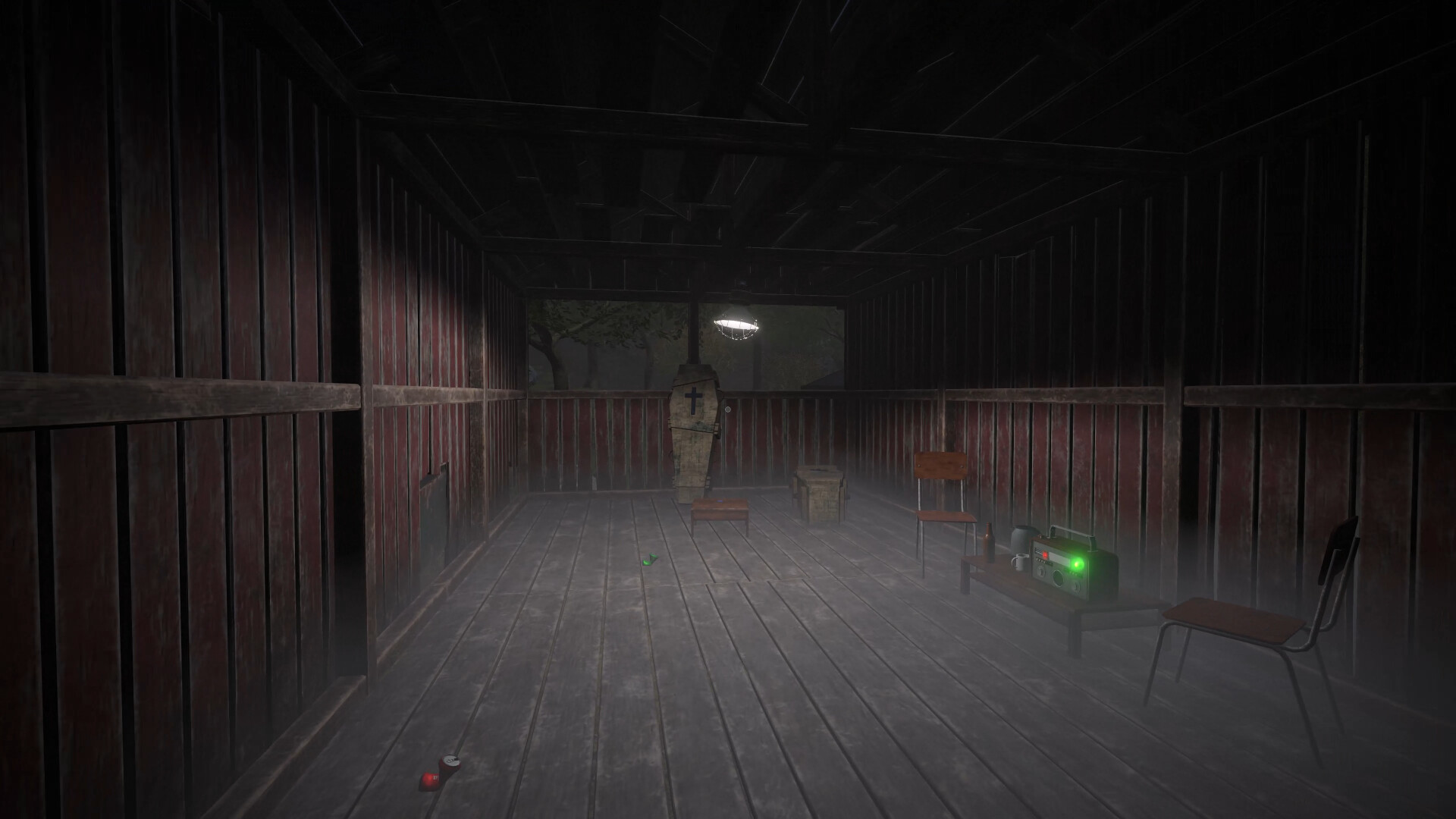
This demo includes the opening section of the game’s first chapter. Approximately 25–35 minutes of gameplay.
WHAT’S IN THE DEMO
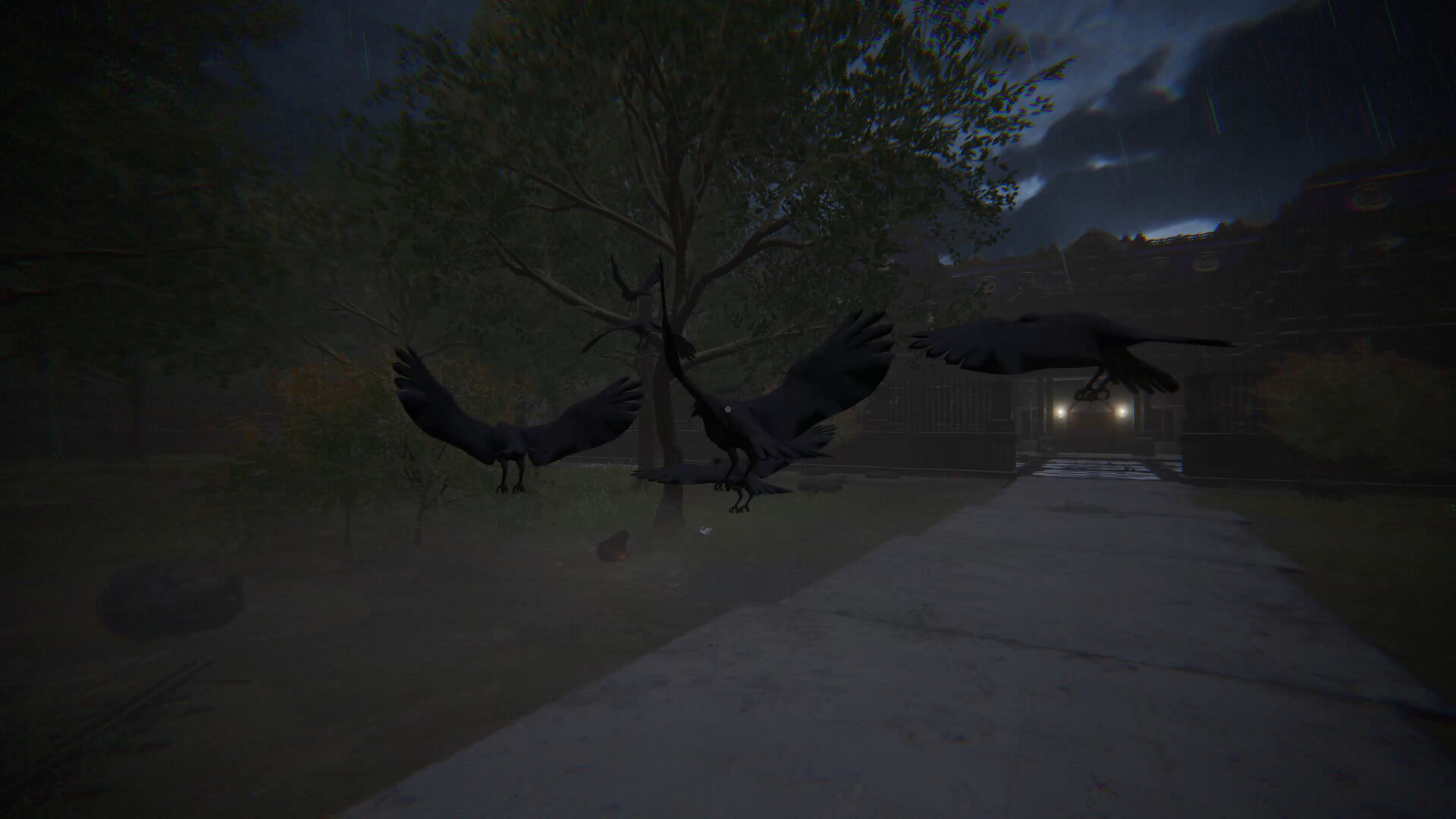
The story’s opening: the box is brought to the orphanage and the doors are locked
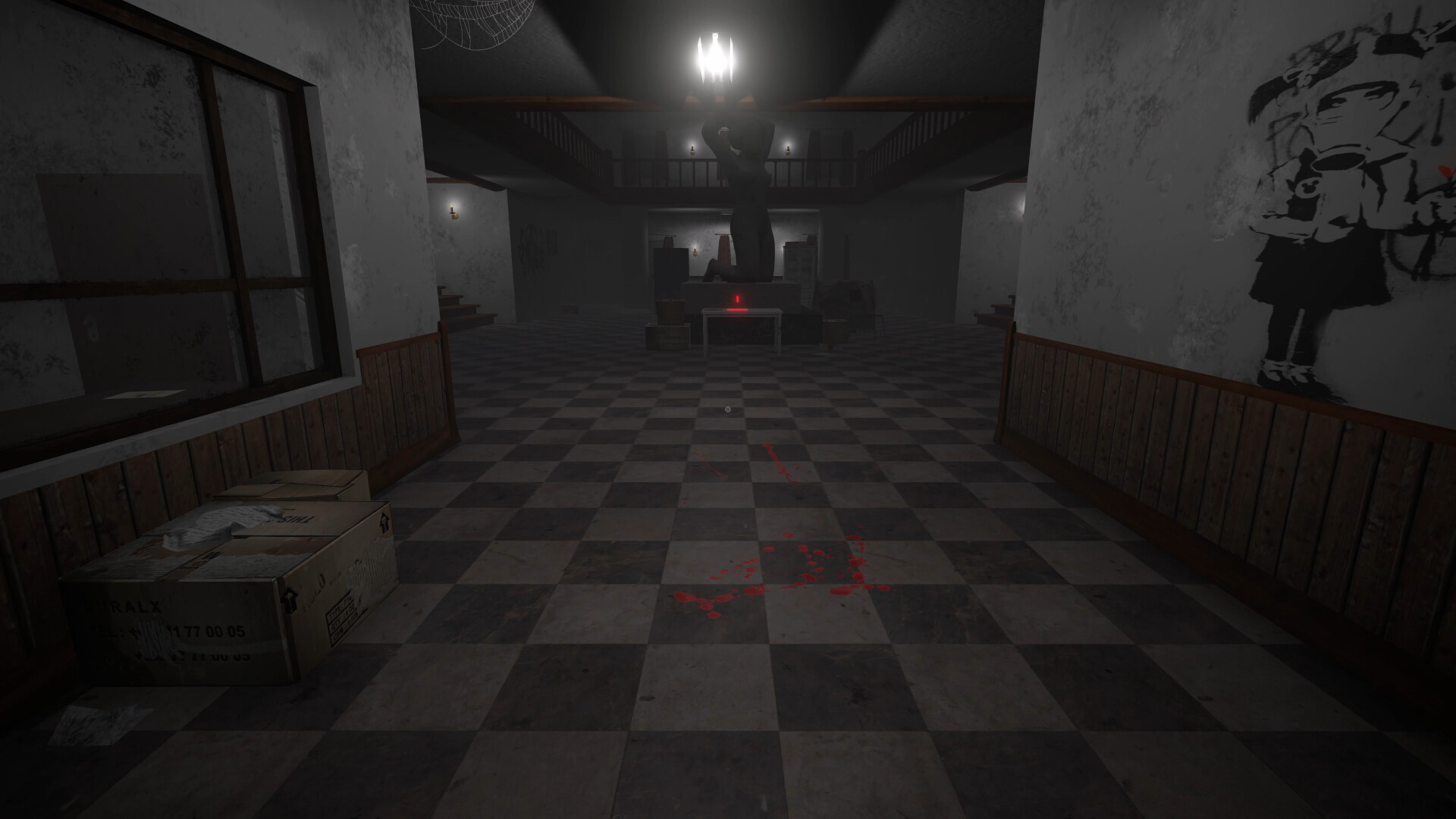
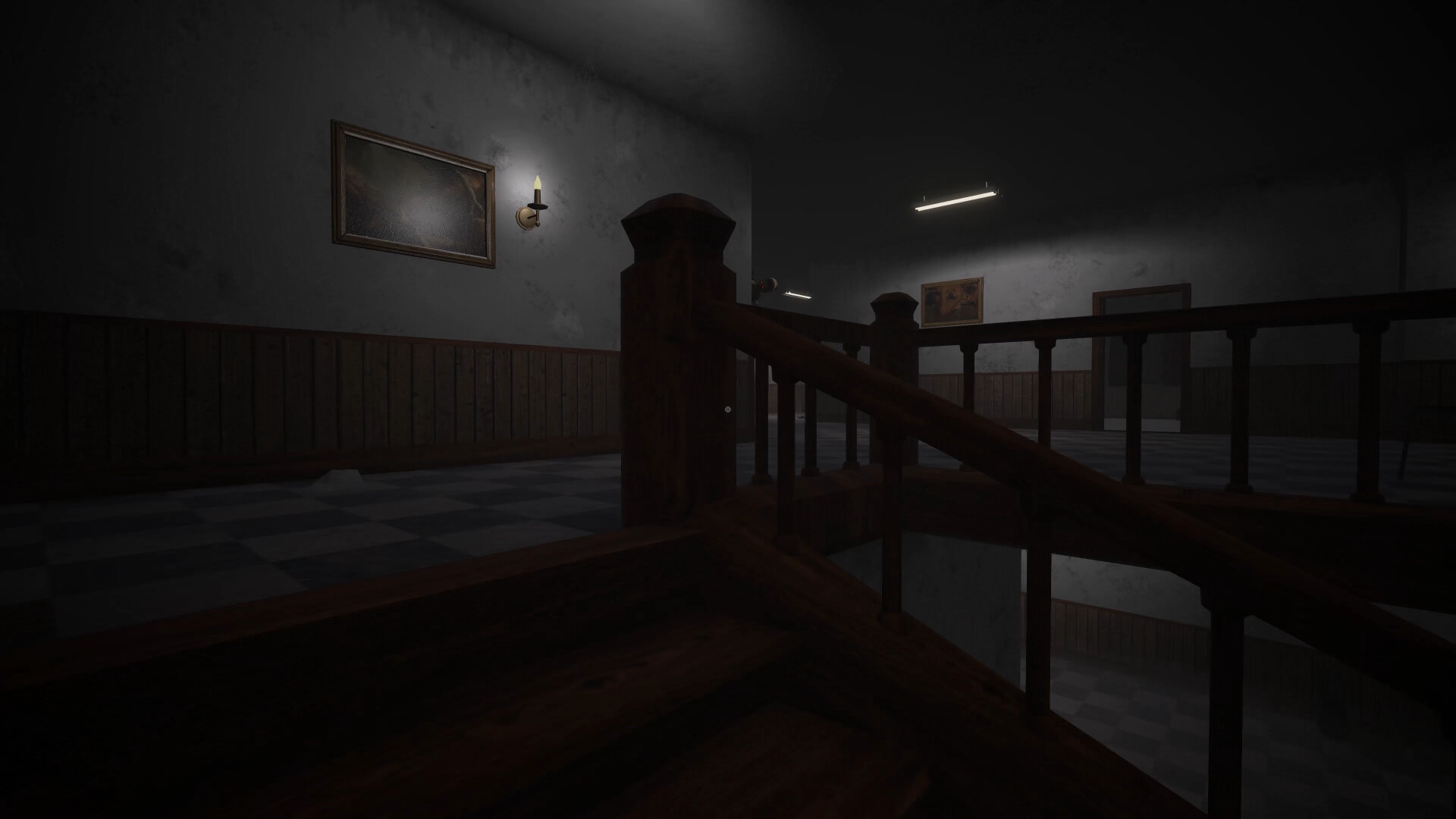
- The orphanage’s ground floor, the administration office, and the surrounding rooms
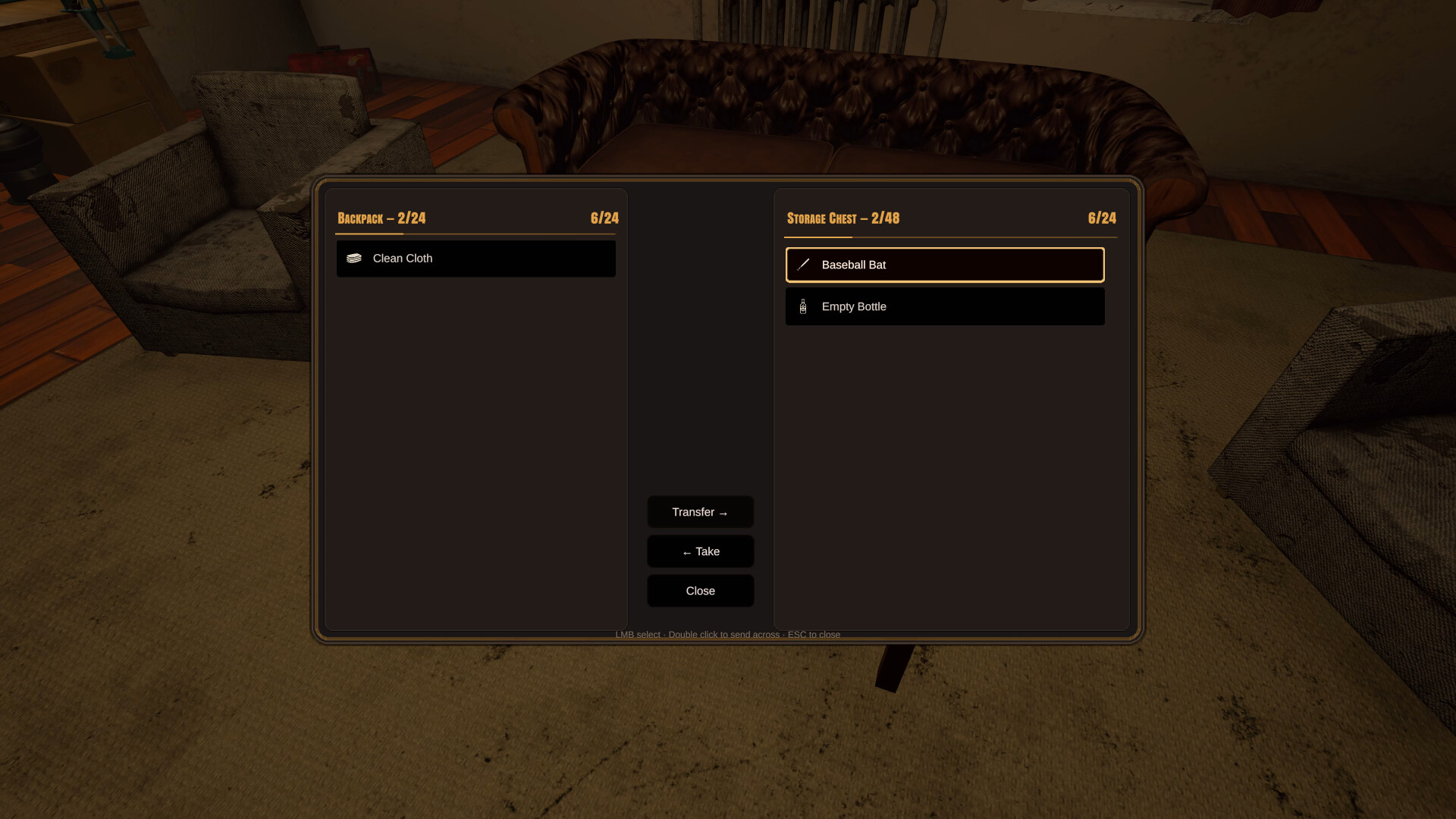
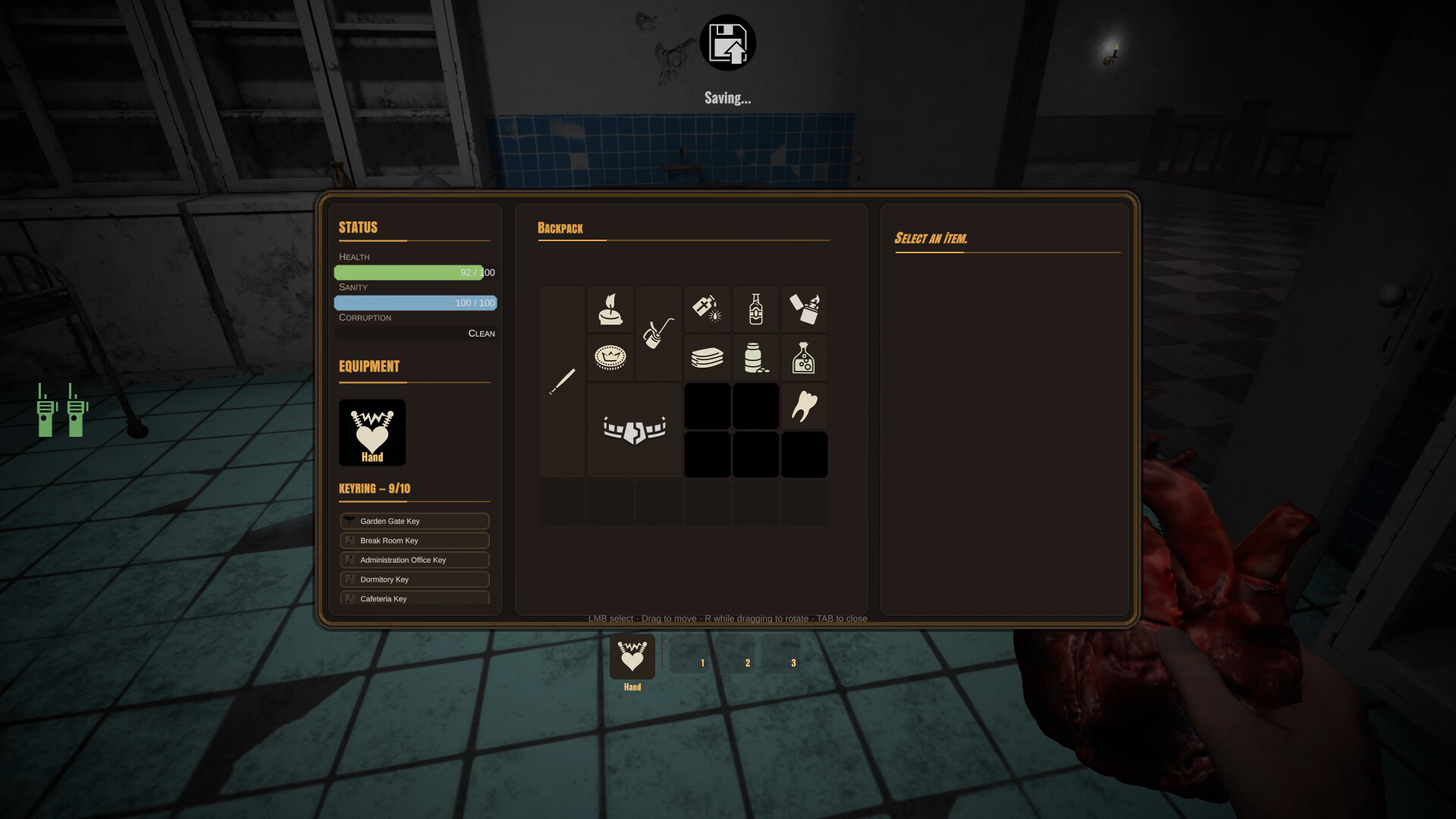
- Grid-based inventory, crafting station, and storage chest system
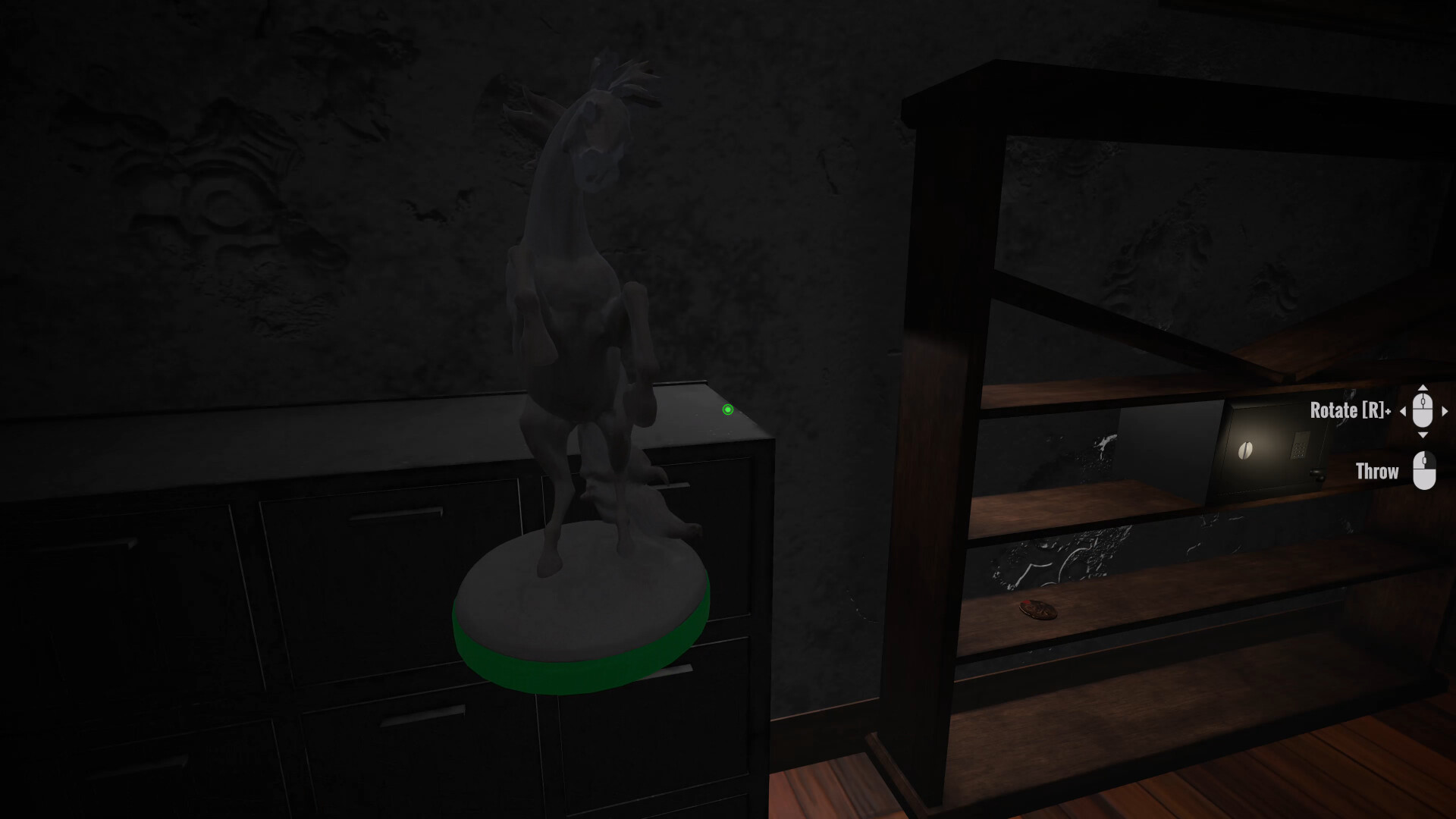
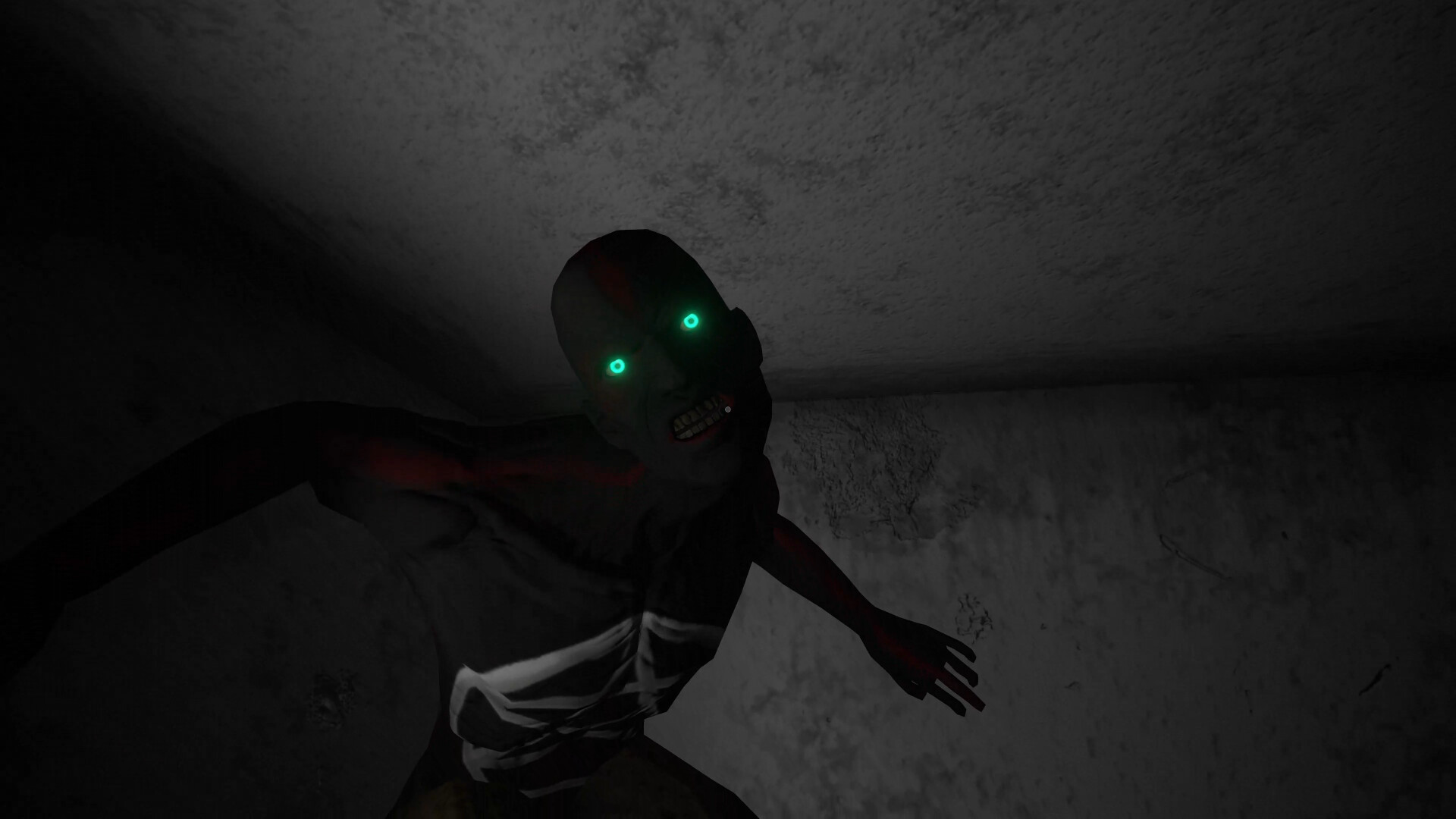
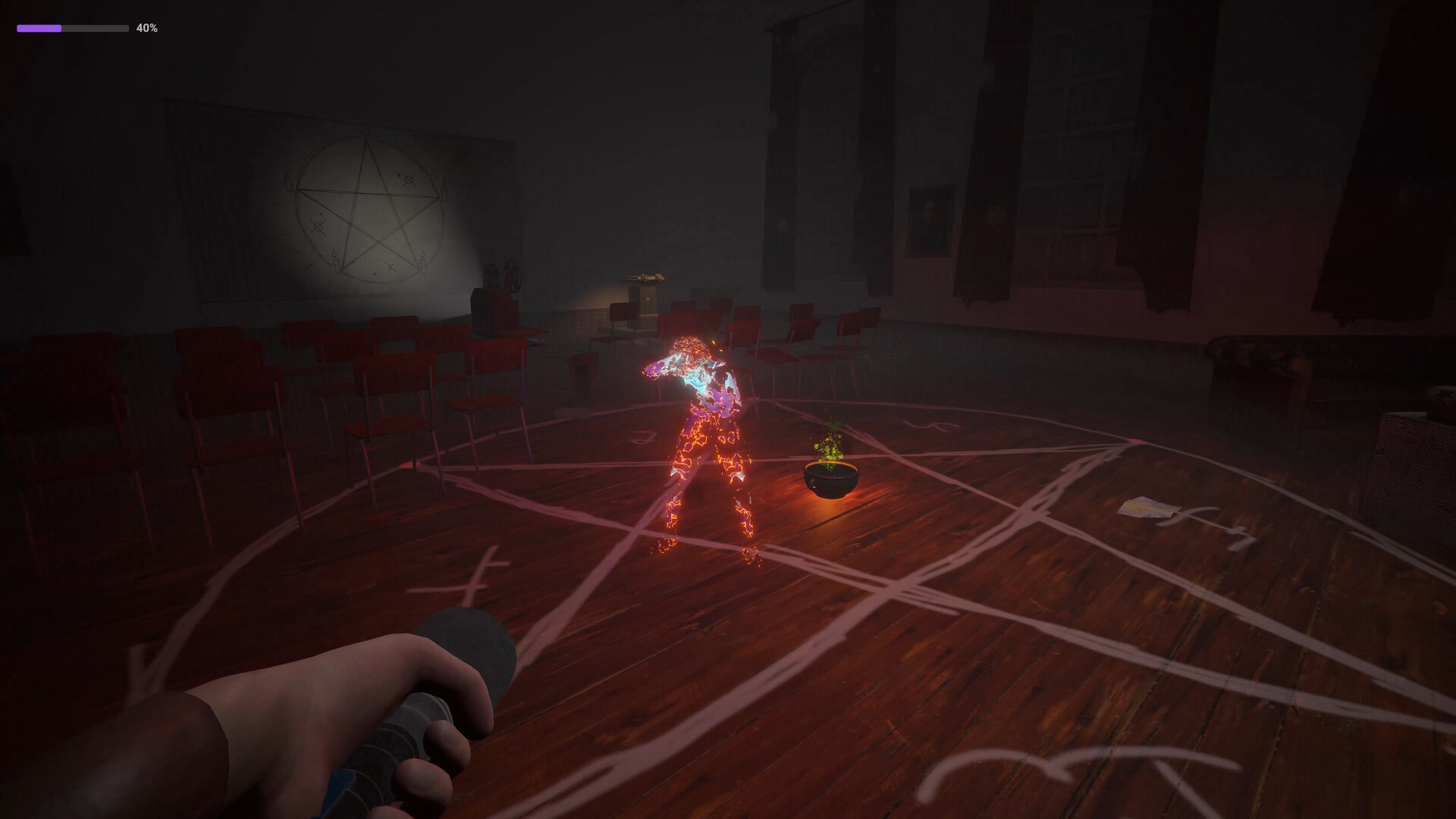
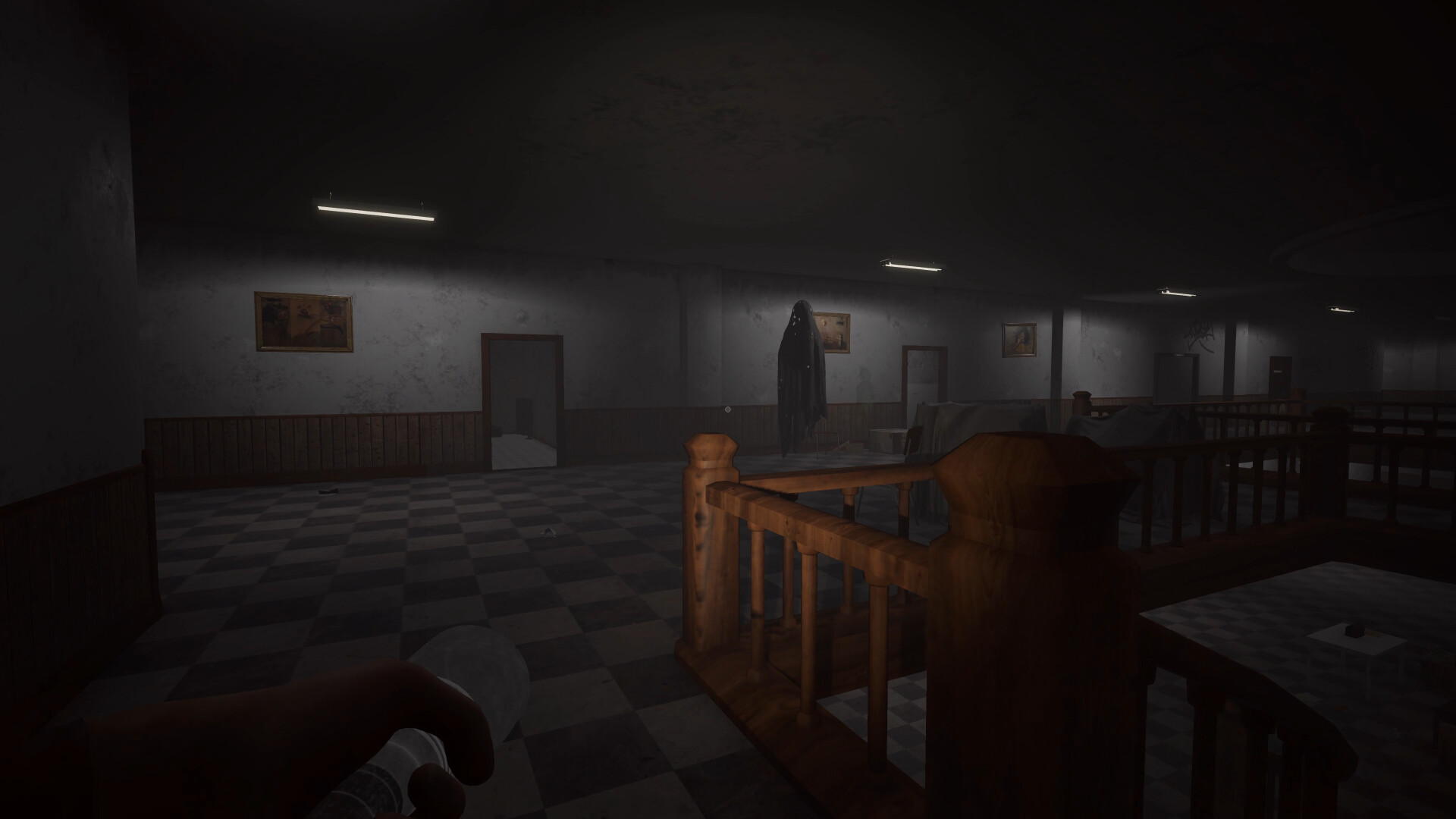
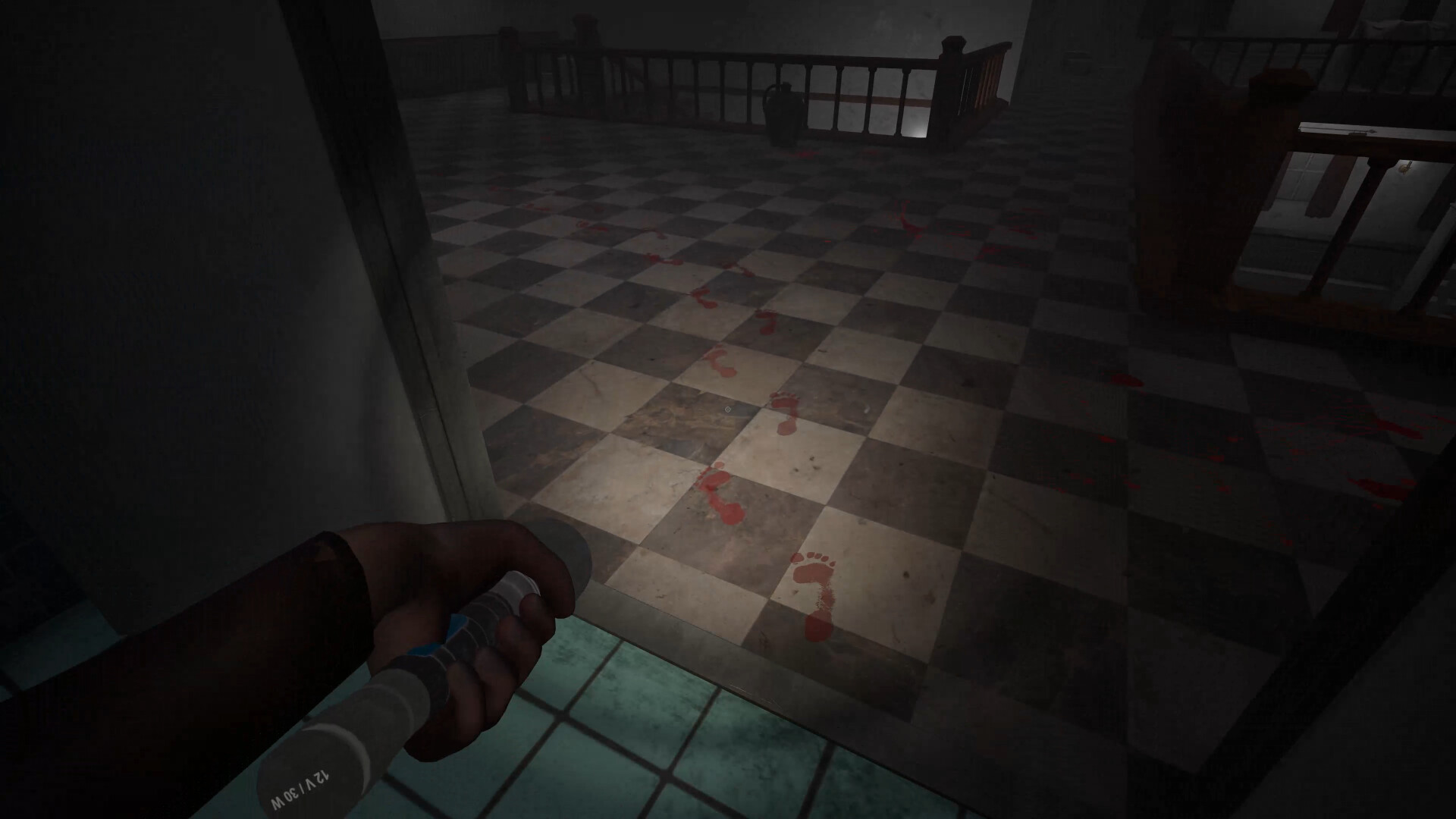
- Flashlight and ultraviolet mode; hiding from ghost children
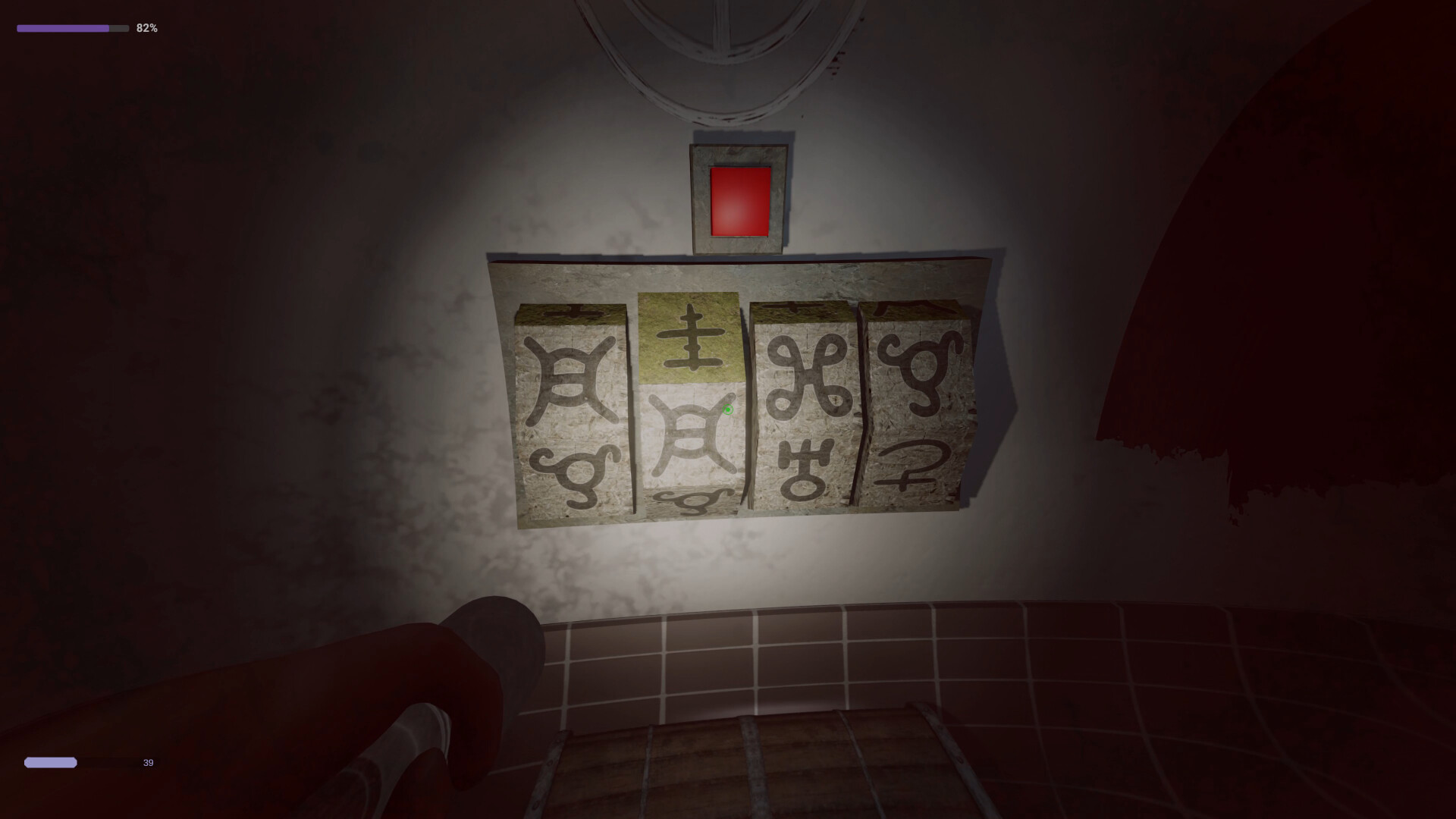
- Gramophone puzzle and the symbol lock on the wall
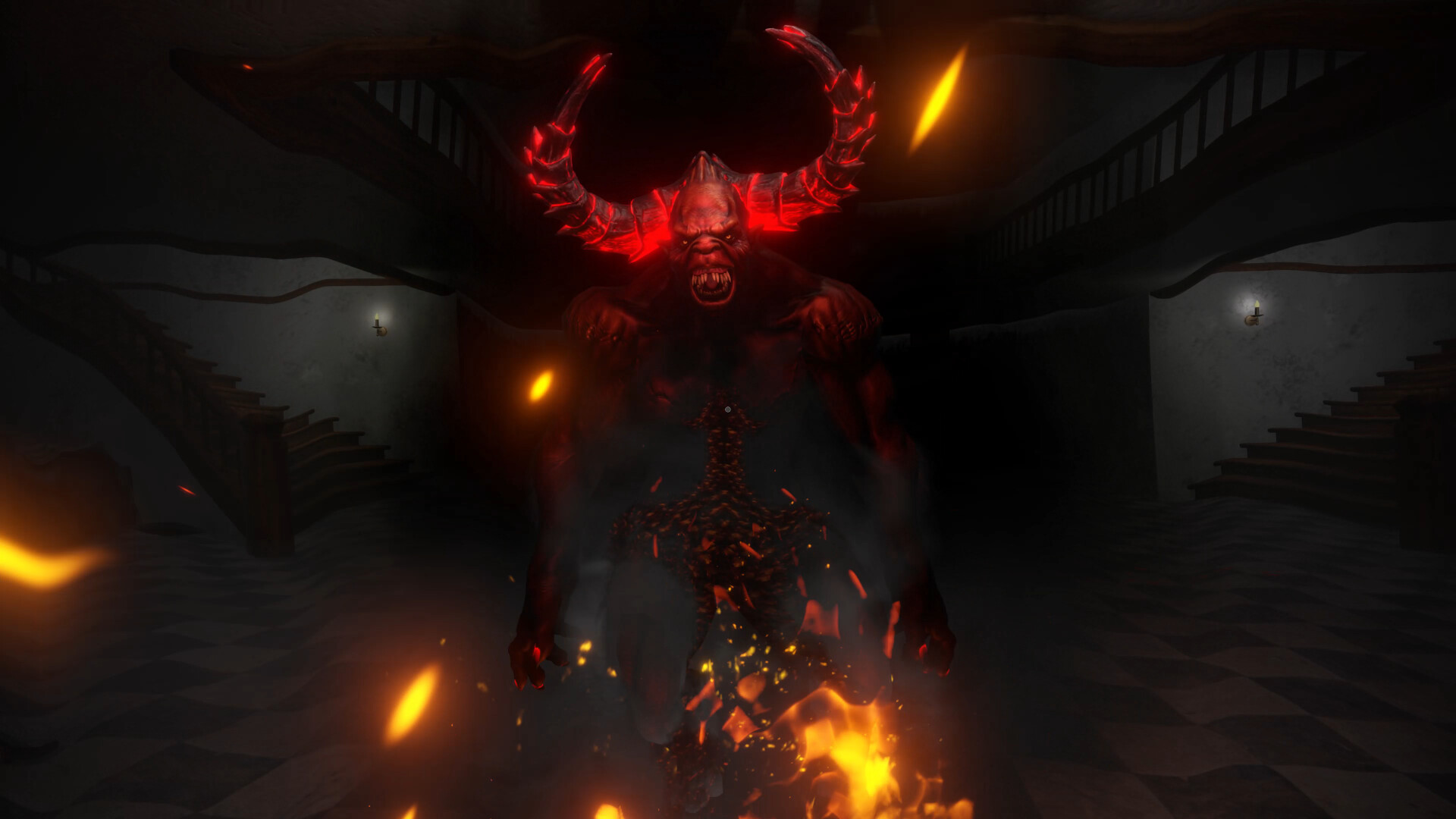
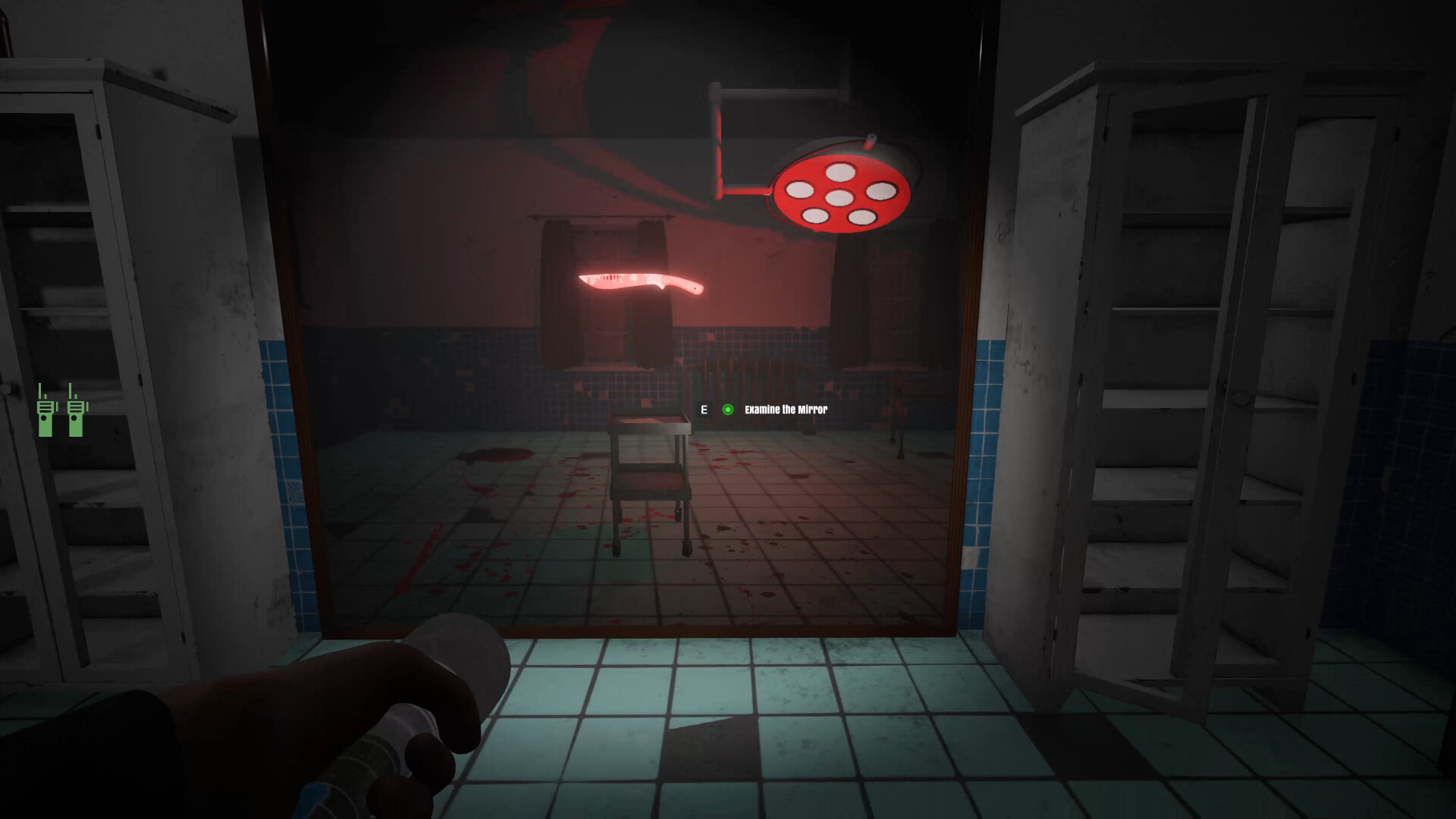
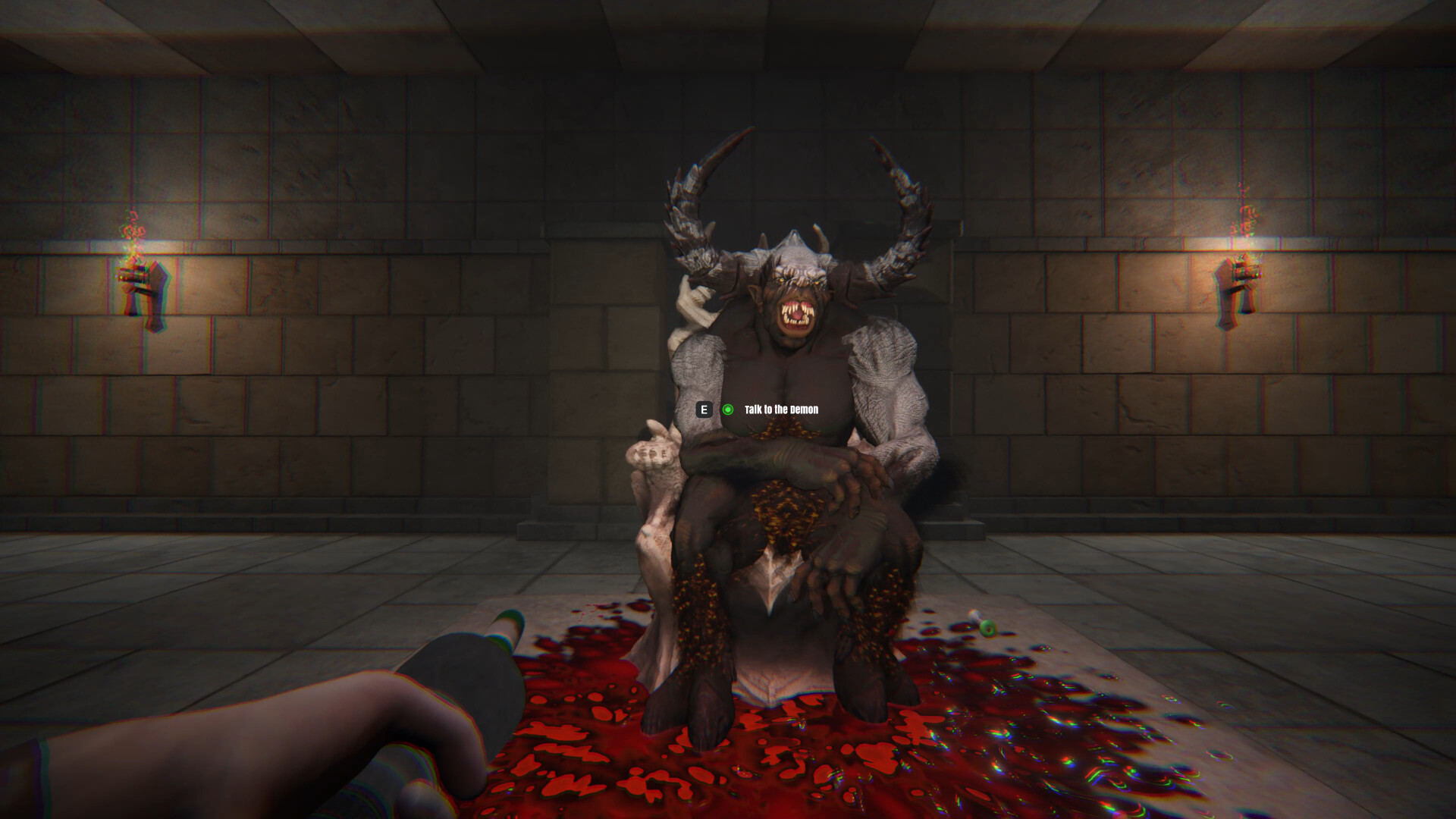
- First ritual—mirror passage and encounter with the first demon
— the demo ends here
FEATURES INCLUDED IN THE FULL VERSION BUT NOT IN THE DEMO
- The remaining five seals and their associated rituals
- The upper floors, basement, and other areas of the orphanage
- Demon encounters and puzzle stages
- The continuation and conclusion of the story
- Additional items, recipes, weapon upgrades, and notes Demo save files are not transferred to the full version; you start the full version from the beginning.
Thirty-two children. One night. Not one of them cried out.
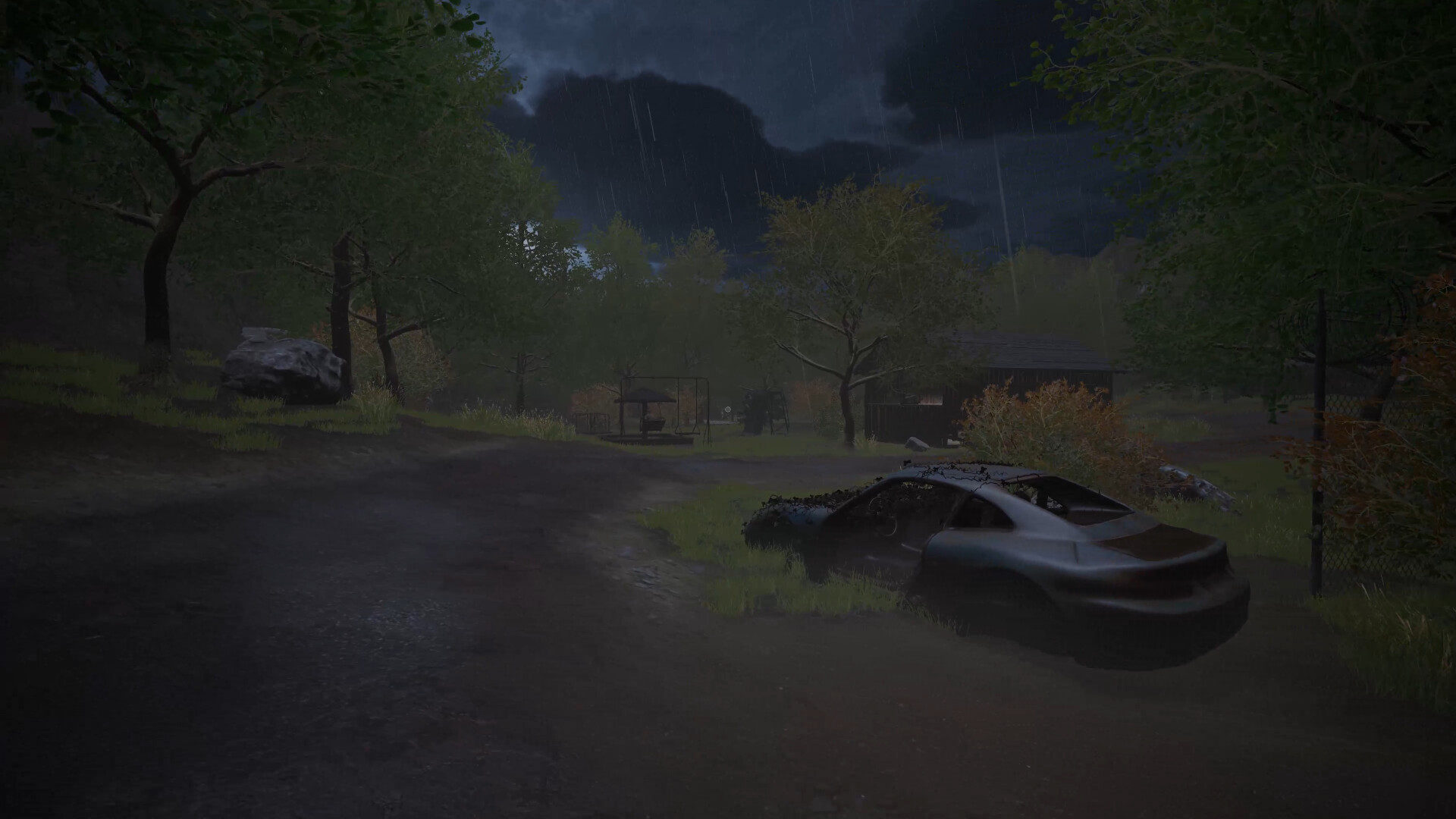
In the winter of 1996, thirty-two children were found dead in their beds at St. Adela's Orphanage on Blackmoor Hill. No fire. No wounds. No sign of forced entry. Three separate investigations closed with the same sentence: cause undetermined.
The only adult in the building that night was a carer named Mary Doyle. Mary vanished afterwards — and she took the institution's youngest resident with her, four-year-old Stephen.
Thirty years later, Mary died. She left behind a box, a letter, and one request: take the box back to the orphanage.
Seven sins, six seals, one lie
In 1911, Father Thomas Ward preached on this hill, opened a book, and something answered. There were seven of them — one for each of the seven deadly sins. Ward managed to bind six, each to an object: a lamp, a ring, a chalice, a mirror, a book cover, a box. The moment he called the seventh, his hand shook and the ritual was left unfinished.
The seals were never broken. They were only bound. And a binding has to be renewed every generation.
Ward's last note ends with a warning: one of the six is not like the others. It talks. It persuades. It helps.
Throughout the game a voice on the radio will guide you. You decide which question to ask: "what should I do", or "who told me to do it"?
Gameplay
An inventory that takes up space
Your bag is a grid. Every item has a shape, you can rotate it, and you cannot carry everything. The flashlight, the bat, or the candle you need for the ritual? Your call — and every time, something gets left behind. Build your base with storage chests and a crafting bench.
Light is a weapon, darkness is an enemy
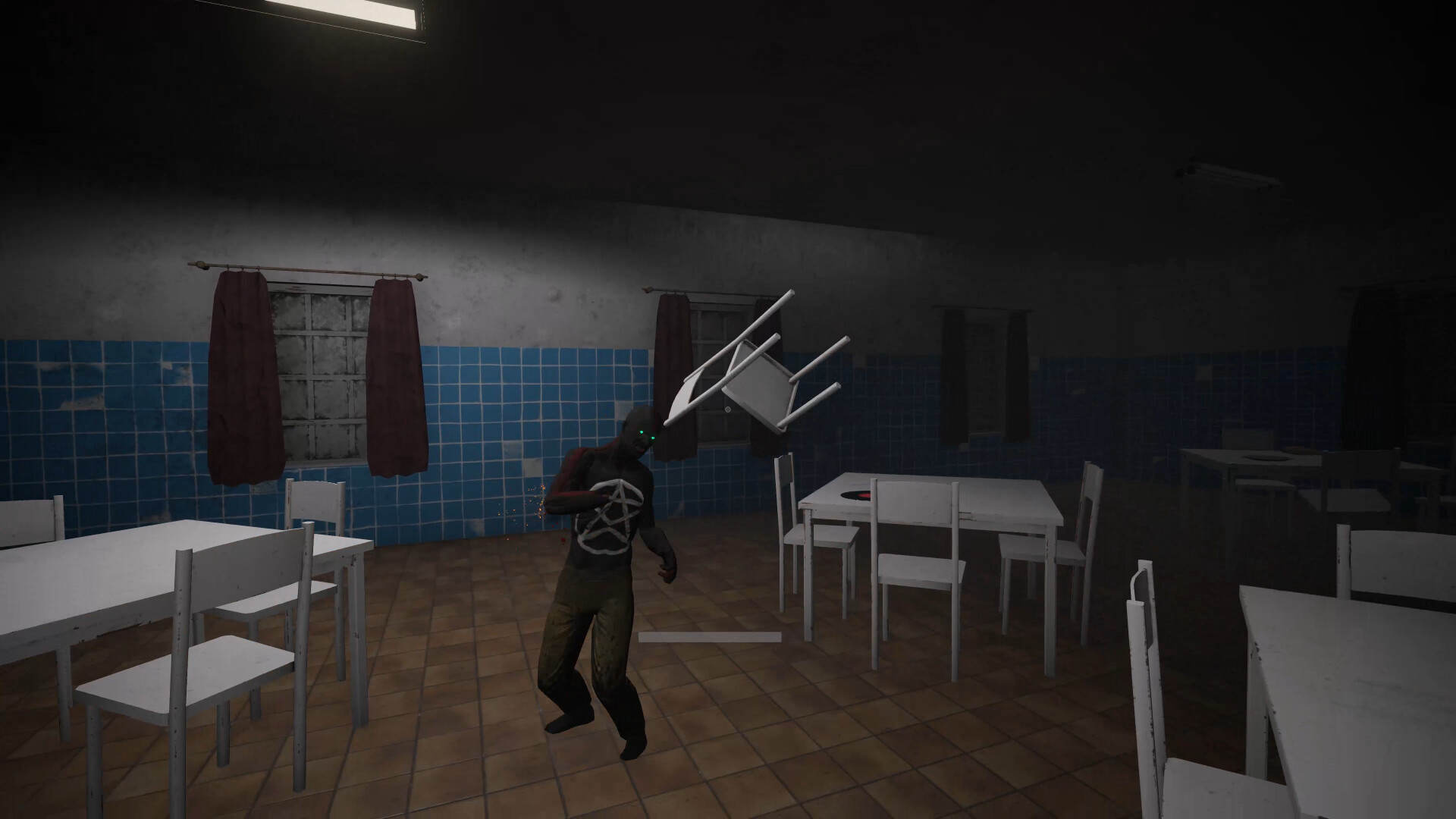
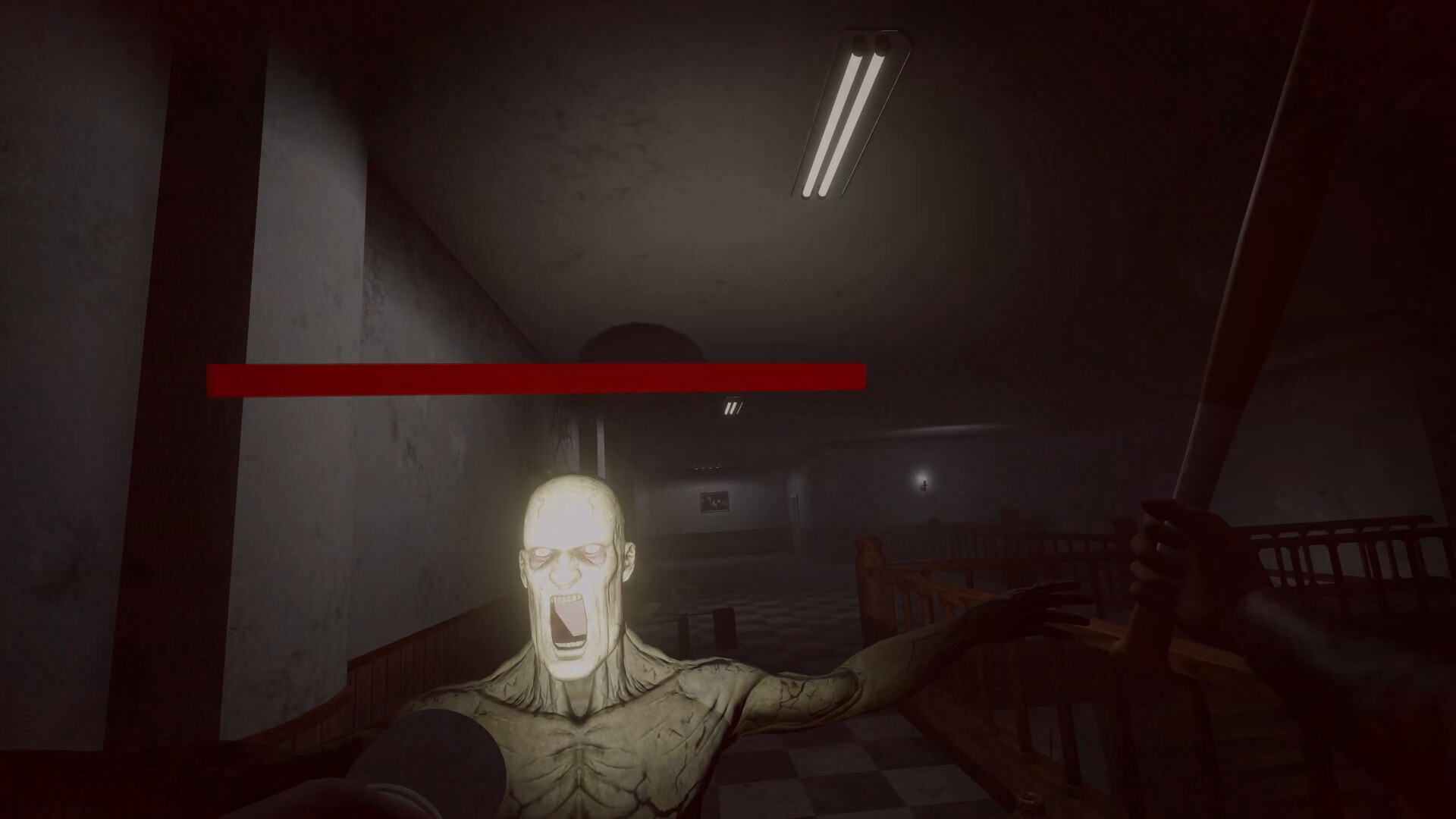
You can swing a bat at the Soulless, or throw a chair at them. But you cannot touch the ghost children — only your flashlight's ultraviolet mode destroys them. And the battery runs out.
Puzzles without panels
No puzzle traps you in a menu. You turn the three-dial symbol lock while standing in the room — if something comes up behind you, you have to turn and run. To find the symbols you must inspect the paintings under ultraviolet light. Some of those paintings watch you back. When the lock opens the painting changes — but only while you are not looking.
Rituals
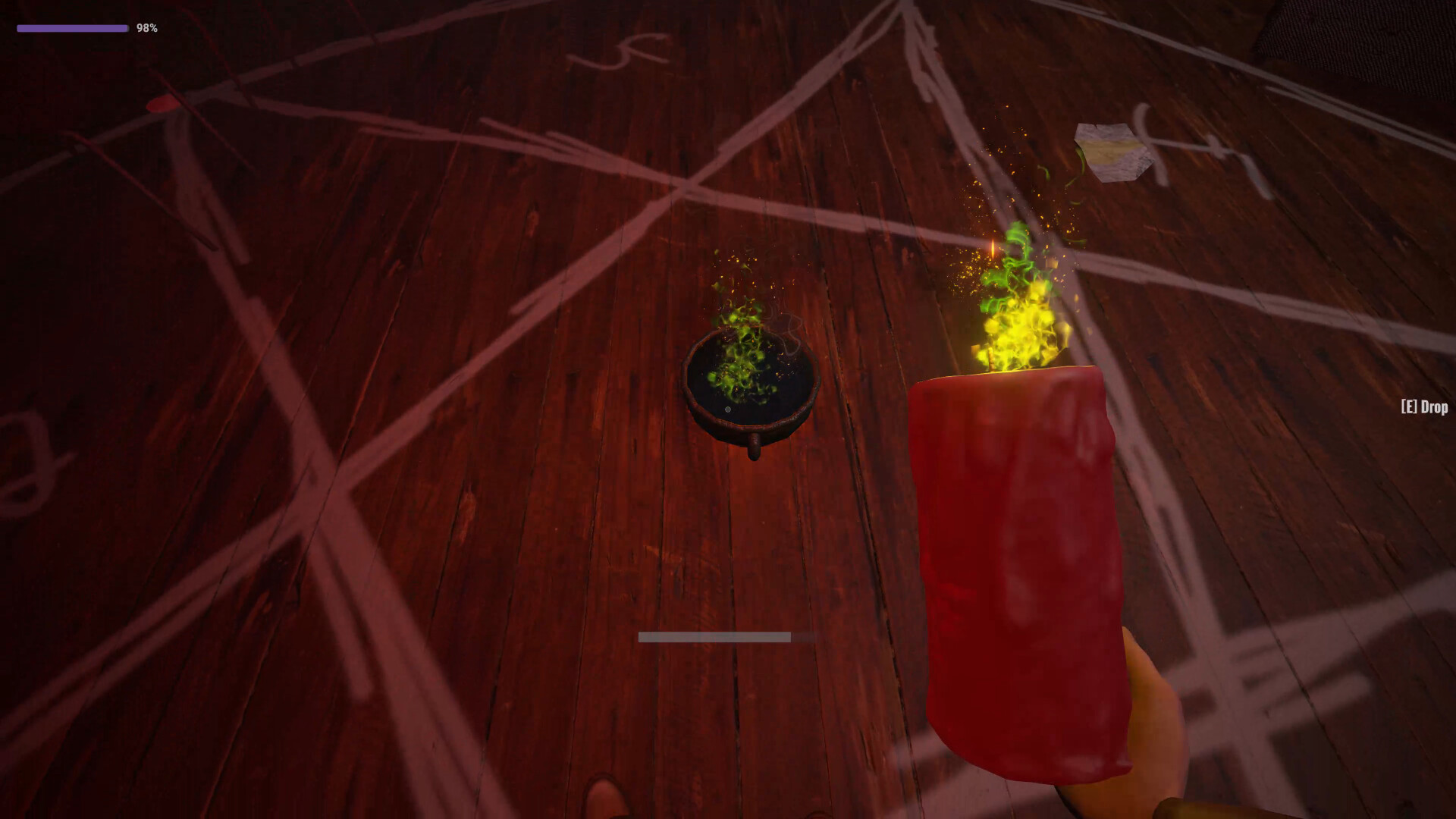
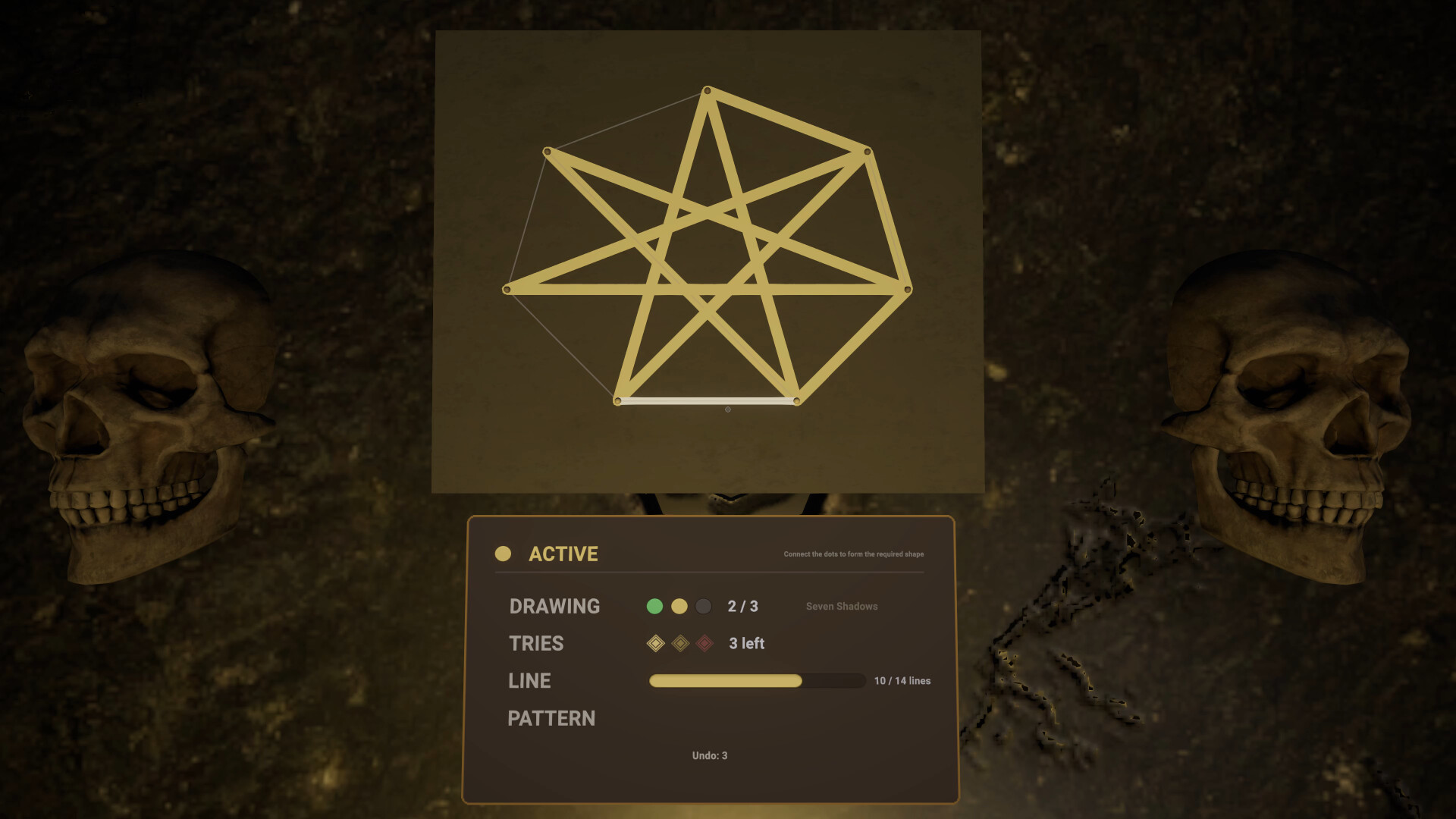
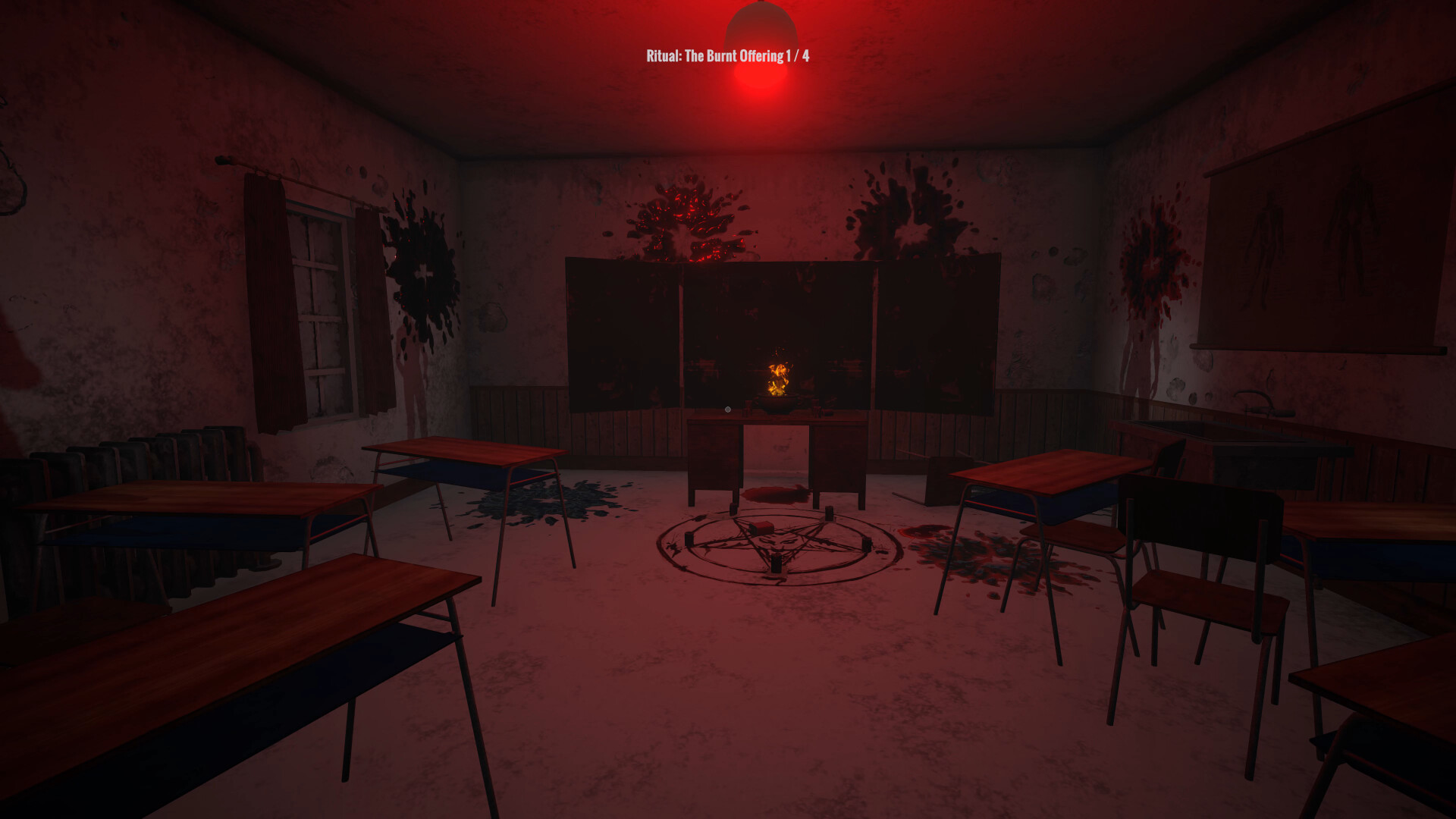
Closing a seal means performing a ritual. Free the caged candles, light them in the right order, draw the sigil patterns with your own hand. An unfinished ritual does not kill them. It only angers them.
Mirrors are doors
Stand before a mirror with the right object and you cross to the other side. You will come back, yes. But not as the same person.